
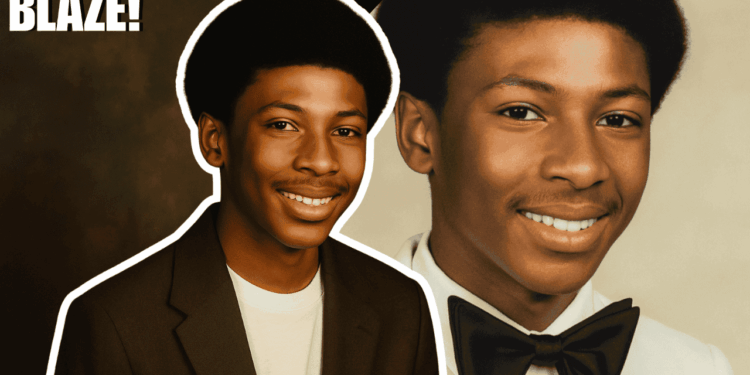
When people hear the name Charles Anthony Vandross, they often think of smooth vocals, heartfelt lyrics, and a rare kind of emotional honesty. His music wasn’t just about rhythm or melody — it was about connection. Vandross built his legacy by staying true to his voice, his style, and his story.
In today’s fast-changing music world, where viral hits and short trends dominate, the legacy of Charles Anthony Vandross reminds us what true branding really means — authenticity. His ability to merge storytelling with sound created a brand that still resonates with both fans and artists. This timeless influence offers powerful lessons for how the next generation of creators can build their own authentic music brands.
The Core of Authentic Music Branding
Why Authenticity Still Wins in a Digital Era
In an industry powered by algorithms and clicks, being real is now the most valuable asset. Charles Anthony Vandross never chased trends — he created timeless emotions. He proved that people connect more with honest expression than with polished perfection.
Modern artists trying to find their place online often lose themselves in what’s “popular.” Vandross’s legacy teaches that staying consistent with your core message, tone, and values builds trust that lasts longer than any trend cycle.
Building a Brand Around Emotion, Not Image
A lot of artists today focus on image — looks, fashion, aesthetics. But Vandross showed that music branding isn’t just about style; it’s about emotional storytelling. He built his presence around vulnerability and passion. His songs felt personal because they came from truth.
In branding, this means building identity around what you stand for, not just how you look. Fans remember how you make them feel, not just what they see. That emotional impact is what turns casual listeners into loyal followers.
Lessons Modern Artists Can Learn from Vandross
Consistency Builds Recognition
Charles Anthony Vandross never changed his essence to fit the market. From his voice to his lyrical tone, everything he did carried his signature warmth. That consistency became his brand DNA — something every artist can learn from.
Whether you’re making R&B, pop, or indie music, maintaining a familiar tone helps fans recognize your work instantly. It’s what builds a sense of identity in a crowded digital space. In branding terms, consistency equals credibility.
Storytelling Makes Music Memorable
Behind every great song from Vandross was a story — love, heartbreak, longing, or joy. He told those stories in a way that felt universal. His lyrics weren’t just words; they were experiences.
Modern creators can apply this by focusing on narrative-driven content — not just music but also visuals, social posts, and interviews that share your journey. When your story aligns with your art, your audience feels like they know you personally, and that’s the heart of authentic branding.
Legacy Is Built on Substance, Not Speed
Vandross took time with his craft. He didn’t release songs every week or chase streams. He focused on quality, emotion, and connection. Today’s creators often rush to release more content, but that can weaken the brand’s long-term impact.
In the age of fast music drops and viral trends, Vandross’s slow, steady growth reminds us that longevity matters more than momentum. Building a brand that lasts means focusing on the message, not just the metrics.
The Modern Shift — From Fame to Authentic Connection
How the Industry Has Changed
The digital age has reshaped music. Platforms like TikTok and YouTube make it easier than ever to gain attention, but harder to keep it. Trends come and go, and artists who don’t build a real connection fade quickly.
This is where the Vandross approach still shines — human connection. He didn’t need shock value or controversy. His brand grew because people trusted his art. For modern artists, that means focusing on real engagement, not inflated numbers.
The Rise of Purpose-Driven Music
Fans today want meaning. They want music that speaks to their lives, not just catchy beats. Artists who share their personal truth — just like Charles Anthony Vandross did — are the ones building sustainable followings.
Music branding today isn’t about being everywhere; it’s about being authentic somewhere. A focused audience that feels emotionally tied to your work is far more powerful than millions of passive listeners. This is the foundation of modern, purpose-driven artistry.
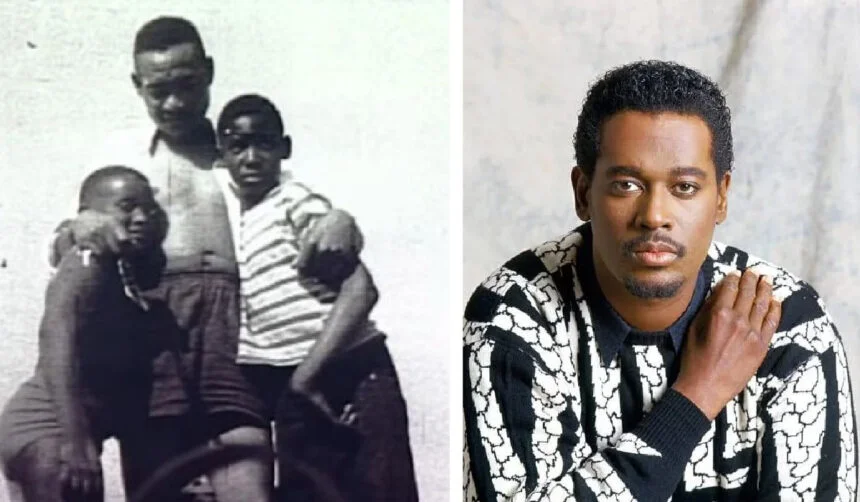
Applying Vandross’s Principles to Modern Branding
Create Your Emotional Identity
Think about what emotion your music carries — warmth, nostalgia, empowerment, love. Vandross was all about emotional warmth. Once you know your emotional core, you can express it in your tone, visuals, lyrics, and even social presence.
Your emotional identity becomes your brand signature. Just like Vandross’s soft delivery became instantly recognizable, your emotional consistency helps people associate certain feelings with your name.
Align Your Story with Your Sound
An artist’s journey and their sound should tell the same story. Vandross’s music reflected his own experiences of love, hope, and pain. He didn’t just perform — he communicated.
Today, artists who align their backstory with their creative output make stronger brands. This alignment makes every post, lyric, and collaboration feel like part of one bigger message — you.
Stay True, Even When the Market Shifts
The biggest test for any artist is staying authentic when trends move on. Vandross thrived through changing decades of music because he never abandoned his essence.
Your sound, look, and message might evolve, but your values must remain. Fans can tell when something feels forced. The artists who remain true to their message are the ones who build trust that lasts a lifetime.
The Future of Authentic Music Branding
Where the Industry Is Heading
The next generation of branding won’t be about perfection — it’ll be about personality. Artificial intelligence and automation are everywhere, but human connection is still what drives art. The spirit of Charles Anthony Vandross lives on in that principle.
As music continues to blend with tech, the artists who bring emotion, vulnerability, and humanity to digital platforms will stand out. Authentic music branding will depend on balancing innovation with identity.
Building Real Relationships, Not Just Audiences
Modern fans don’t just want to listen — they want to interact. The best brands of tomorrow will treat fans as collaborators, not consumers.
Taking a page from Vandross, artists can connect through live performances, behind-the-scenes content, and personal storytelling. Transparency, humility, and emotion are the new tools of branding success.
Conclusion — Carrying the Vandross Legacy Forward
Charles Anthony Vandross taught the world that true music branding starts with the heart. His songs weren’t just performances; they were conversations that made listeners feel seen and understood.
In an age filled with noise and speed, his legacy reminds artists that authenticity never goes out of style. The future of music branding belongs to those who keep their message honest, their emotions open, and their purpose clear.
The name Charles Anthony Vandross stands as a guidepost for every creator who wants to build something real — not just famous, but forever meaningful.