
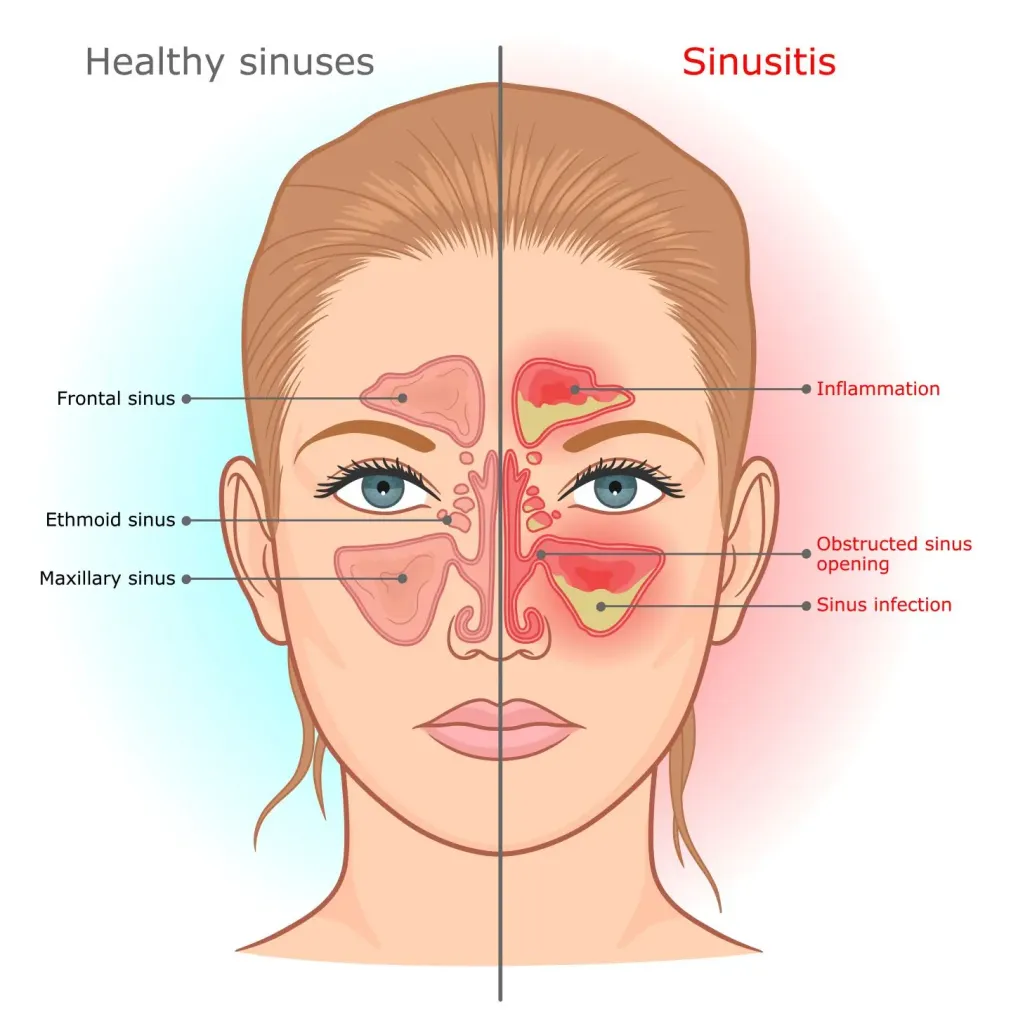
Sinus surgery has changed a lot over the years. In the past, surgeons relied mostly on experience and direct sight. Today, technology adds another layer of safety. One of the biggest advances is image-guided technology, also called Image-Guided Surgery.
This system acts like a GPS for the sinuses. It helps surgeons know exactly where they are during a procedure. Because the sinuses sit close to the eyes, brain, and major blood vessels, accuracy matters. This article explains how image-guided technology improves the safety of sinus surgery procedures, why it is used, and how it helps patients feel more confident about care.
Understanding Image-Guided Technology in Sinus Surgery
What Image-Guided Technology Is
Image-Guided Technology is a system that links medical imaging to surgical tools. Before surgery, patients get a CT Scan or MRI. These images create a detailed map of the sinuses.
During surgery, special sensors track the surgeon’s instruments. The system shows their position on the scan in real time. This helps guide each movement.
Why the Sinuses Need Extra Precision
The paranasal sinuses are surrounded by sensitive areas. Just millimeters away are:
- The eyes
- The brain
- Major nerves
- Important blood vessels
Even small mistakes can lead to serious problems. Image guidance helps reduce that risk.
How This Technology Fits Into Modern Care
Today, ENT specialists use image guidance for many sinus surgery procedures, especially complex ones. It does not replace skill. Instead, it supports careful decision-making.
Think of it as an added safety net.
Common Sinus Conditions That Benefit From Image Guidance
Chronic Sinusitis
Chronic sinusitis causes long-term swelling and blockage. In severe cases, normal anatomy becomes distorted.
Image guidance helps surgeons find blocked pathways and reopen them safely.
Nasal Polyps
Nasal polyps are soft growths that can fill sinus spaces. Large polyps can hide important landmarks.
Using image-guided systems helps surgeons remove polyps while avoiding healthy tissue.
Revision Sinus Surgery
Revision surgery means a patient had surgery before, but symptoms returned. Scar tissue and altered anatomy make these cases harder.
Image guidance is especially helpful here because normal landmarks may be missing.
Allergic Fungal Sinusitis?
Allergic Fungal Sinusitis is a type of chronic rhinosinusitis where the body develops an allergic response to fungal elements inside the sinuses. The fungi themselves usually do not invade tissue. Instead, they trigger inflammation and heavy mucus production.
This condition is most often seen in:
- People with allergies
- People with nasal polyps
- Individuals with asthma
- Young adults and adolescents
- People living in warm and humid climates
How Image-Guided Technology Works During Surgery
Pre-Surgical Imaging and Planning
Before surgery, detailed scans are taken. A CT Scan shows bone clearly. An MRI shows soft tissue and nerves.
These images are uploaded into the guidance system. Surgeons review them and plan each step.
Real-Time Instrument Tracking
During surgery, small sensors track surgical tools. The system shows where the tool tip is on the scan.
This real-time feedback helps the surgeon stay oriented, even in deep sinus spaces.
Navigation Near Critical Structures
Image guidance is most helpful near high-risk areas. These include:
- The eye socket
- The skull base
- The optic nerve
Knowing exact location lowers the chance of injury.
Improving Safety in Endoscopic Sinus Surgery
Enhanced Accuracy and Control
Endoscopic Sinus Surgery uses small cameras and tools through the nose. Image guidance adds another level of accuracy.
Surgeons can confirm where they are before removing tissue. This reduces guesswork.
Reducing the Risk of Complications
Complications can include bleeding, vision problems, or brain injury. These risks are low, but they exist.
Image-guided systems help avoid dangerous areas and lower complication rates.
Confidence in Difficult Anatomy
Not all sinuses look the same. Some are narrow. Others are shaped differently.
Image guidance helps surgeons work safely in unusual anatomy.
Role of Image Guidance in Skull Base Safety
Protecting the Anterior Skull Base
The anterior skull base forms the roof of the sinuses. It separates the brain from the nose.
Injury here can cause CSF leaks or infection. Image guidance helps surgeons know when they are close to this area.
Preventing Cerebrospinal Fluid Leaks
A CSF leak happens when cerebrospinal fluid escapes through the nose. This is a serious complication.
By showing exact depth and location, image guidance helps prevent accidental openings.
Managing Disease Near the Brain
Some sinus diseases extend close to the brain. Tumors or severe inflammation increase risk.
Image-guided technology allows careful removal while protecting brain tissue.
Benefits for Complex and High-Risk Patients
Safer Surgery for Severe Disease
Patients with severe sinus disease often need more extensive surgery. Image guidance supports safer decision-making.
Surgeons can move step by step with confidence.
Improved Outcomes in Revision Cases
Revision cases have higher risk. Scar tissue and missing landmarks add challenge.
Image-guided systems help surgeons navigate these changes safely.
Better Results for Patients With Prior Complications
Patients with past complications may feel anxious about surgery. Image guidance adds reassurance.
It helps both surgeon and patient feel more secure.
How Image-Guided Technology Supports the Surgeon
Real-Time Feedback and Decision Support
Surgeons get instant feedback on tool position. This supports careful, informed choices.
It also allows surgeons to confirm findings during surgery.
Reducing Mental Load During Procedures
Complex surgery requires focus. Image guidance reduces the mental effort needed to track anatomy.
This helps surgeons stay calm and precise.
Training and Skill Development
Image-guided systems also help train new surgeons. They provide visual learning during procedures.
This supports safer care over time.
What Patients Should Know Before Surgery
When Image Guidance Is Recommended
Image guidance is often used for:
- Revision sinus surgery
- Extensive nasal polyps
- Disease near the skull base
- Unusual sinus anatomy
Not every patient needs it, but many benefit from it.
Safety Does Not Mean Zero Risk
While image guidance improves safety, no surgery is risk-free. Surgeons still rely on training and judgment.
Technology supports skill, it does not replace it.
Discussing Technology With Your Surgeon
Patients can ask if image guidance will be used. Understanding the tools involved helps reduce fear.
Clear communication builds trust.
Recovery After Image-Guided Sinus Surgery
Healing Is Similar to Traditional Surgery
Recovery from image-guided surgery is similar to standard sinus surgery procedures.
Patients may experience congestion, mild bleeding, and swelling at first.
Follow-Up and Monitoring
Follow-up visits allow surgeons to check healing using nasal endoscopy.
Image guidance does not change recovery time, but it supports safer healing.
Long-Term Benefits
Safer surgery often means fewer complications. This supports better long-term outcomes.
Patients may enjoy improved breathing and fewer infections.
Why Image-Guided Technology Is Becoming Standard
Growing Use in ENT Care
More ENT specialists now use image guidance. As technology improves, it becomes more accessible.
Its use reflects a focus on safety and precision.
Advances in Imaging and Software
Modern imaging is clearer and faster. Software updates improve accuracy and ease of use.
These advances make image guidance more reliable.
Patient Expectations and Trust
Patients expect safe, modern care. Image-guided technology aligns with those expectations.
It shows a commitment to careful treatment.
Limitations and Responsible Use of Image Guidance
Technology Works Best With Skilled Hands
Image guidance supports skilled surgeons. It cannot correct poor technique.
Experience remains the most important factor.
Not Needed for Every Case
Simple sinus procedures may not require image guidance. Surgeons choose tools based on patient needs.
Responsible use matters.
Ongoing Evaluation and Improvement
Doctors continue to study outcomes and refine use. This ensures technology improves care without overuse.
Balanced use leads to best results.
Conclusion: A Safer Path Forward in Sinus Surgery
Image-Guided Technology has changed how sinus surgery procedures are performed. By linking detailed scans like CT Scan and MRI to real-time navigation, surgeons gain better awareness of where they are at every step.
This added precision improves safety, especially near the eyes, brain, and anterior skull base. It reduces risk in complex cases, revision surgery, and severe disease. While it does not replace surgical skill, it strongly supports careful, confident care.
As technology continues to improve, image guidance will remain a key tool in modern Endoscopic Sinus Surgery. For patients, it offers peace of mind. For surgeons, it provides clarity. Together, these benefits help make sinus surgery safer than ever before.