
New buildings look clean and solid on the outside. But the real strength sits behind the walls. That strength comes from smart new construction plumbing services. When plumbing is planned and installed the right way, it helps stop leaks, prevent backups, and avoid costly code violations later on.
Many plumbing problems do not start years down the road. They start on day one. Poor pipe sizing, rushed installs, and skipped inspections can all lead to water damage, slow drains, and failed inspections. That is why professional plumbing work during construction matters so much.
This article breaks down how new construction plumbing services protect homes and buildings from common problems. You will see how early planning, proper materials, skilled installation, and code knowledge all work together to keep plumbing systems safe and reliable.
Why Plumbing Problems Start During Construction
Small Mistakes Create Big Problems
Leaks and backups rarely happen by accident. They often come from small errors made during the build. A pipe placed at the wrong slope. A joint not sealed well. A vent line cut too short. These small mistakes grow over time.
New construction plumbing focuses on getting everything right from the start. That means fewer surprises once walls are closed and floors are finished.
Plumbing Is a System, Not Just Pipes
Plumbing is not just water lines and drains. It is a full system. Water supply, drainage, venting, and gas lines all work together. If one part is wrong, the whole system struggles.
Professional plumbers design systems that balance pressure, flow, and safety. This helps stop slow drains, leaks, and sewage odors before they happen
How Planning Prevents Leaks and Backups
Reading Blueprints the Right Way
Plumbing plans are more than lines on paper. Skilled plumbers read blueprints alongside architects and builders. They plan where pipes run, where fixtures sit, and how systems connect.
Good planning helps avoid tight bends, crowded walls, and pipe clashes. This lowers stress on joints and reduces the risk of future leaks.
Correct Pipe Sizing From Day One
Pipes that are too small create pressure problems. Pipes that are too large waste space and money. Pipes are appropriately sized for each building’s requirements by new construction plumbing services.
Proper sizing supports steady water flow and helps drains move waste without backups.
Allowing Space for Expansion and Movement
Pipes expand and contract as temperatures change. If pipes are locked too tightly in walls, they can crack or rub over time.
Professional plumbers allow room for movement. This simple step helps prevent hidden leaks years later.
Rough-In Plumbing: The Foundation Stage
What Rough-In Plumbing Really Means
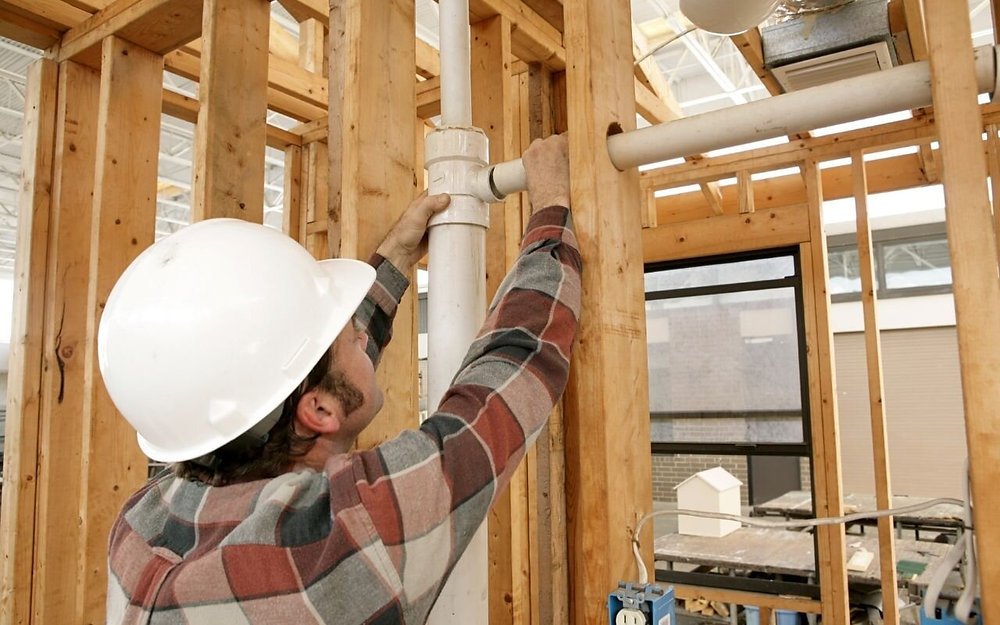
Rough-in plumbing happens before drywall goes up. This stage includes water supply lines, drain pipes, vent stacks, and gas lines. Once walls close, changes get expensive.
New construction plumbing services treat rough-ins with extra care because mistakes here are hard to fix later.
Preventing Leaks at the Rough-In Stage
Leaks often start at joints. During rough-in work, plumbers pressure-test systems to catch weak spots early. These tests help find leaks before walls hide them.
Fixing a leak now costs little. Fixing it later can mean tearing out walls or floors.
Preventing Drain and Sewer Backups Early
Drain lines need the right slope to work well. Too flat and waste sits. Too steep and water runs faster than solids.
Professional plumbers set drain slopes to match code standards. This helps waste flow smoothly and lowers the chance of backups.
Venting Systems and Why They Matter
What Plumbing Vents Actually Do
Vents allow air into the plumbing system. This keeps water moving and traps full. Without proper venting, drains gurgle, smell, and clog.
New construction plumbing services design vent systems that support every fixture.
Preventing Sewer Gas and Drain Problems
Poor venting can pull water out of traps. That opens the door for sewer gas to enter the building. This is a health and safety issue.
Correct vent placement keeps traps sealed and indoor air safe.
Meeting Venting Rules and Standards
Standards like the International Plumbing Code (IPC) and Uniform Plumbing Code (UPC) explain exactly how plumbing vents should be installed to keep systems safe and working right. Professional plumbers know these rules and follow them closely.
This helps buildings pass inspections and stay safe long term.
Materials Matter More Than People Think
Choosing the Right Pipes
Not all pipes are the same. PVC, CPVC, PEX, and copper each have different uses. New construction plumbing services choose materials based on pressure, temperature, and building type.
Using the wrong material can lead to cracks, leaks, or early failure.
Protecting Pipes From Corrosion and Damage
Some environments are harsh on plumbing. Soil conditions, water quality, and building layout all matter.
Professional plumbers plan for corrosion control and pipe protection to extend system life.
Using Approved and Tested Products
Plumbing codes require approved materials and fittings. Using cheap or untested parts often leads to leaks and failed inspections.
Licensed plumbers stick to approved products that meet ANSI and ASTM standards.
Preventing Code Violations From the Start
Why Plumbing Codes Exist
Plumbing codes protect health and safety. They control how water moves, how waste drains, and how gas lines stay safe.
Ignoring codes can lead to fines, failed inspections, and costly rework.
Staying Aligned With Local and National Codes
New construction plumbing services follow both local rules and national standards like the IPC and UPC. This helps projects pass inspections without delays.
Code compliance also protects property value and resale potential.
Inspection-Ready Work at Every Stage
Plumbing inspections happen in stages. Rough-in, pressure testing, and final inspections all matter.
Professional plumbers prepare systems to pass each inspection cleanly. This keeps construction moving forward.
Preventing Water Pressure and Flow Problems
Balanced Water Distribution
Uneven pressure causes stress on pipes and fixtures. It can lead to leaks and worn seals.
New construction plumbing services design balanced systems so water flows evenly throughout the building.
Avoiding Dead Ends and Stagnant Water
Unused pipe sections can trap water. This raises the risk of bacteria growth and pressure issues.
Smart plumbing layouts avoid dead ends and keep water moving.
Supporting Modern Fixture Demands
Today’s fixtures use less water but need stable pressure. Professional plumbers match systems to modern efficiency standards set by groups like the Environmental Protection Agency (EPA).
Gas Line Installation and Safety
Why Gas Plumbing Needs Special Care
Gas leaks are dangerous. Poor gas line installation can lead to fires or health risks.
New construction plumbing services follow strict safety steps when installing gas lines.
Pressure Testing and Safety Checks
Gas lines are pressure-tested before use. This helps detect leaks early.
These steps align with safety guidance from groups like OSHA.
Preventing Code Issues With Gas Systems
Gas codes are strict for a reason. Professional plumbers follow sizing, venting, and shut-off rules to keep systems safe and compliant.
Final Fixture Installation Without Problems
Installing Fixtures the Right Way
Toilets, sinks, tubs, and showers need proper seals and connections. Poor installation leads to slow leaks that damage floors and walls.
Plumbing services for new construction Install fittings carefully and precisely.
Avoiding Cross-Connections and Backflow
Cross-connections can contaminate clean water. Backflow devices protect drinking water.
Professional plumbers install backflow protection where needed and follow CDC safety guidance.
Testing Before Project Completion
Before a project wraps up, systems are tested again. Water flow, drainage, and gas systems all get final checks.
This step helps catch last-minute issues before occupancy.
Long-Term Benefits of Professional Plumbing Installation
Fewer Repairs and Callbacks
Well-installed plumbing systems fail less often. That means fewer leaks, backups, and emergency calls.
Better Building Value and Confidence
Buyers and inspectors look closely at plumbing. Code-compliant systems build trust and protect value.
Peace of Mind for Owners and Occupants
Knowing the plumbing was done right from the start brings peace of mind. That confidence lasts for years.
Conclusion
Leaks, backups, and code violations rarely happen by chance. They usually trace back to early construction choices. New construction plumbing services help prevent these issues by focusing on smart planning, quality materials, skilled installation, and strict code compliance.
From rough-in work to final inspections, professional plumbers protect buildings from hidden risks. They design systems that flow smoothly, vent properly, and meet safety standards set by trusted groups like the International Plumbing Code, Environmental Protection Agency, and OSHA.
When plumbing is done right at the start, buildings stay safer, cleaner, and stronger. That is why new construction plumbing is not just another trade. It is the backbone of a reliable building.