
Introduction
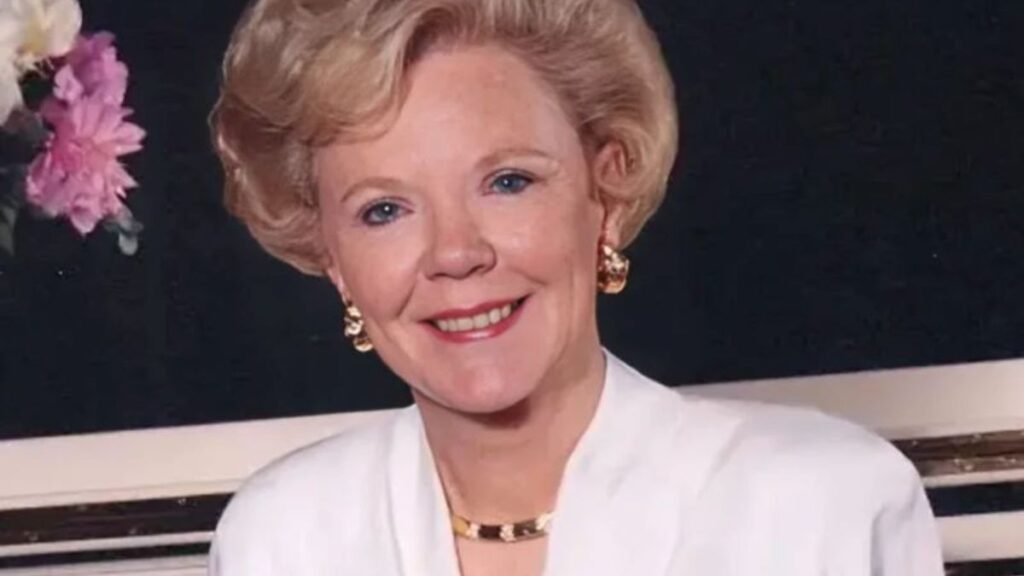
The name Ray Kroc is instantly recognizable around the world as the man who transformed a small California hamburger stand into McDonald’s—one of the most influential business empires in history. But behind this legendary corporate story lies a more private, lesser-known narrative: that of his daughter, Marilyn Kroc Barg.
While overshadowed by her father’s fame, Marilyn’s life is an important chapter in the broader Kroc family story. Her childhood, family dynamics, personal choices, and early death provide a deeply human counter-balance to the public success often attributed solely to her father.
This extended biography explores Marilyn’s life in detail, including her upbringing, education, relationships, family connections, challenges, and the legacy she left behind. The aim is to present a clear, respectful, and historically consistent portrait of a woman whose story remains largely hidden from the public eye.
Early Life and Family Background
Birth and Early Childhood
Marilyn Janet Kroc was born on October 15, 1924, in Chicago, Illinois. She was the only child of Raymond Albert Kroc and Ethel Janet Fleming, Ray’s first wife.
Born decades before McDonald’s became the global powerhouse it is today, Marilyn spent her earliest years in a modest household where Ray Kroc was still struggling to build a sustainable career. This environment shaped much of her worldview, blending both ambition and resilience.
Her Father’s Aspirations and Impact on Family Life
Ray Kroc was known for his persistence and willingness to reinvent himself. Throughout Marilyn’s childhood, he worked various jobs:
- Selling paper cups
- Playing piano
- Working as a radio musician
- Later selling milkshake mixers
These frequent career shifts meant the family’s stability often fluctuated. Marilyn grew up watching her father chase opportunities relentlessly, an experience that would influence the type of family expectations, ambitions, and pressures she would face.
Family Dynamics
As Ray’s ambitions grew, so did the demands on his time. The tension between Ray and Ethel, largely caused by financial instability and Ray’s constant travel, eventually contributed to cracks in the marriage.
Marilyn, as their only child, witnessed these stressful dynamics firsthand. Although her mother provided a consistent home life, it was clear even in Marilyn’s younger years that Ray Kroc was a man devoted to his career more than domestic life. This created a relationship between father and daughter that was emotionally meaningful, yet occasionally distant.
Education and Formative Years
Specific school records for Marilyn remain undocumented, but it is reasonable to conclude—based on the family’s social standing and residence—that she likely attended reputable schools in the Chicago area.
Growing Up in Chicago in the 1930s–1940s
Chicago during Marilyn’s youth was a city of stark contrasts. It was a hub of culture, architecture, jazz, and commerce, but also a place marked by economic hardship during the Great Depression. Growing up in this dynamic environment likely exposed Marilyn to:
- Rapid societal change
- Urban innovation
- Cultural diversity
- Shifts in gender roles
- Expanding opportunities for women
While her father’s career was still developing, her mother worked to create a stable environment, which helped Marilyn navigate these transformative years.
Social Expectations for Women of Her Era
Women in mid-20th-century America were often:
- Encouraged to focus on marriage
- Expected to take supportive or domestic roles
- Given limited access to high-level business opportunities
- Steered toward community or social work rather than corporate leadership
Given these norms, Marilyn—despite being part of a future billionaire family—likely faced expectations very different from those placed on male heirs of major business empires.
Adulthood and Personal Identity
Navigating Life as the Daughter of Ray Kroc
As Ray Kroc’s fame grew in the 1950s and 1960s, especially after he took control of McDonald’s, Marilyn transitioned from being the daughter of an ambitious salesman to being the daughter of a corporate icon.
This dramatic shift in public spotlight could create complex identity challenges:
- Difficulty forming personal identity outside her father’s image
- Lack of privacy due to her father’s rising fame
- Pressure to match or uphold the family’s reputation
- Being viewed through the lens of Ray Kroc rather than as an individual
Yet, unlike many heirs of large business empires, Marilyn did not pursue a public-facing role. Instead, she remained private, choosing to live her life outside corporate attention.
Marriage to James “Bingo” Barg
In 1960, Marilyn married James Barg, sometimes referred to as Walter James Barg.
This union symbolized Marilyn’s desire to begin a life defined by her own choices and relationships rather than the McDonald’s empire. Little is publicly documented about their marriage, but available information suggests the couple maintained a quiet, private lifestyle.
Did Marilyn Have Children?
There is no publicly verified record of Marilyn having children.
This absence of documented descendants often contributes to why her story is less explored, especially compared to families with long generational records.
Lifestyle, Interests, and Personality
Even though Marilyn lived outside the public eye, we can draw reasonable conclusions about her life based on:
- The social class she belonged to
- The era in which she lived
- Her family’s increased wealth and resources
Likely Areas of Interest
Women in wealthy American families during the mid-1900s commonly engaged in:
- Art and culture
- Charity and philanthropy
- Social clubs
- Community organizations
- Hosting social gatherings
- Travel
- Musical education
- Civic involvement
Given Ray Kroc’s own involvement in philanthropy later in life, it is plausible Marilyn developed an interest in charitable causes, especially as her father’s wealth expanded.
Remaining Private
Unlike many prominent business families whose children become executives or high-profile personalities, Marilyn:
- Never held a public role in McDonald’s
- Never sought media attention
- Did not participate in corporate leadership
- Lived a largely domestic and personal life
This choice may have been influenced by:
- The era’s expectations for women
- Her personal nature
- Health challenges
- A desire for normalcy
- Family dynamics
Relationship With Ray Kroc
A Complicated Yet Meaningful Connection
Ray and Marilyn’s relationship was likely influenced by:
- Ray’s demanding personality
- His constant work focus
- Multiple marriages
- Long periods of travel
- Increasing fame and wealth
However, Ray consistently acknowledged Marilyn as part of his early life with Ethel. She remained connected to the Kroc legacy, even if not at the forefront of it.
Later Years of Their Relationship
As McDonald’s grew into a global brand, Ray’s life became consumed by franchising, expansions, corporate battles, and later his marriage to Joan Kroc.
This evolution meant he had even less time for private family life.
Despite the distance, Marilyn remained part of Ray’s personal history and family lineage. Her early death would become one of the tragedies of Ray’s lifetime.
Health Challenges and Early Death
Struggles With Diabetes
Marilyn passed away on September 11, 1973, at the young age of 48, due to complications from diabetes.
During the 1970s, diabetes treatment lacked the modern advancements available today. Insulin therapy, monitoring devices, and medical interventions were not nearly as effective or accessible.
Her death highlights how medical conditions—especially chronic ones—could dramatically shorten lifespans even for individuals from wealthy families.
Impact of Her Passing
Her early passing meant:
- She never witnessed McDonald’s explode into its full global influence
- She never experienced her father’s later philanthropic era
- Her potential contributions to society were cut short
- Her place in the Kroc narrative became overshadowed by the company’s expansion
Her father Ray Kroc died eleven years later in 1984, and her stepmother Joan Kroc became globally known for philanthropy. Marilyn, however, became a quieter chapter in the family history.
Legacy and Significance
Although Marilyn Kroc Barg did not lead McDonald’s, found a charity, or hold public office, she remains an important part of the Kroc family story.
Her Legacy Can Be Understood in Several Ways:
1. The Human Side of the McDonald’s Empire
Corporate narratives often overlook the private lives of the people involved. Marilyn represents the contrast between public triumph and personal complexity.
2. The Role of Women in Business Dynasties
Marilyn’s life mirrors the experiences of many women in business families of her era:
- Less public recognition
- Fewer business opportunities
- Responsibility for maintaining family and social identity
- Limited documentation of personal achievements
Her life underscores the need to examine these often ignored perspectives.
3. A Life Cut Short
Marilyn’s early death prevented her from shaping a long-lasting public legacy. Many heirs who live longer play significant roles in:
- Philanthropy
- Business oversight
- Family governance
- Public representation
Marilyn never had this opportunity, which is why her story is quieter compared to other second-generation business heirs.
4. A Reminder of Personal Challenges Behind Public Success
Even the families behind billion-dollar empires face medical struggles, internal conflicts, and private losses.
Frequently Asked Questions About Marilyn Kroc Barg
1. Was Marilyn Kroc Barg involved in McDonald’s?
No. There is no record of Marilyn holding any position within McDonald’s or playing an operational role in the company.
2. What was her relationship with Ray Kroc like?
Their bond existed, but Ray’s work-driven lifestyle and constant business expansion often kept him distant from family life.
3. Did Marilyn Kroc Barg have children?
There are no publicly verified records showing that she had any children.
4. What caused her early death?
She passed away at 48 due to complications related to diabetes.
5. Why is there limited information about her?
Because:
- She lived a private life
- She died early
- She never entered public business roles
- Historical records focused more on Ray Kroc
The World Marilyn Was Born Into
Marilyn entered a world undergoing rapid transformation. The year 1924 in the United States was part of the “Roaring Twenties,” a decade marked by technological innovation, jazz culture, and economic expansion. Even though her family was not wealthy at that time, she was born into an era buzzing with entrepreneurial energy.
Social Expectations for Children of Ambitious Parents
In families where one parent is highly driven and career-focused, children often grow up with:
- A sense of responsibility
- Exposure to ambition and risk-taking
- Emotional complexity due to absent or overworked parents
- Pressure to live up to expectations
Given Ray Kroc’s relentless nature, it is likely that Marilyn absorbed his desire for upward mobility at a young age.
Chicago’s Influence
Growing up in Chicago offered Marilyn:
- A modern urban environment
- A rich mix of cultures and communities
- Exposure to immigrants, jazz clubs, theaters, and political movements
- An early understanding of the value of hard work
Chicago was a city of opportunity and struggle, and this backdrop likely shaped Marilyn’s worldview long before McDonald’s became a cultural symbol.
The Rise of McDonald’s and Its Impact on Marilyn
Even though McDonald’s became famous later in Marilyn’s life, the seeds of the company were planted much earlier. When Ray Kroc discovered the McDonald brothers’ restaurant in California and envisioned scaling it, his personal life changed dramatically. Marilyn was an adult when McDonald’s exploded in popularity, meaning she witnessed—up close—the transformation from small business to global empire.
Living Through a Corporate Explosion
When a company expands at lightning speed, it affects every person in the founder’s life. Marilyn likely experienced:
- Increasing media attention toward her father
- A widening gap between family privacy and public visibility
- Strains caused by Ray’s constant travel and business commitments
- A sense that family life revolved around the company’s future
Children of corporate icons often struggle to carve their own identity in such environments.
Wealth Entering the Family
By the 1960s, Ray was becoming wealthy and powerful. For Marilyn, suddenly transitioning from middle-class to upper-class life would have brought changes such as:
- Increased social expectations
- Invitations to elite gatherings
- Visibility in affluent circles
- Access to luxury and comfort previously unavailable
But wealth, especially when acquired later in life, can also create emotional distance between generations.
Marilyn’s Private Nature: A Window Into Her Personality
Unlike many heirs who embrace public attention, Marilyn remained private, quiet, and reserved. This choice reveals aspects of her personality.
1. Introverted or Private by Preference
Marilyn may simply have preferred quiet living over public attention. Many people value privacy over status, regardless of family fame.
2. Protecting Herself From Media Pressure
Being the child of a growing celebrity can feel overwhelming. Avoiding the public eye might have been a way to protect her mental and emotional well-being.
3. Avoiding Corporate Responsibilities
Marilyn never appeared interested in business leadership. She might have preferred:
- Domestic life
- Personal hobbies
- Social circles unrelated to corporate culture
This preference, especially in an era where women lacked strong business representation, was completely normal.
4. Limited Support Roles for Women in the 1950s-60s
It is important to remember that society did not encourage women to take on roles in business empires at that time. Even if Marilyn had wanted to join McDonald’s leadership, it would have been unconventional.
Understanding Her Marriage: A Human Story, Not a Corporate One
Marilyn married James Barg in 1960, at a time when the Kroc family was undergoing major transitions.
Why She May Have Married Outside the Business World
Children of wealthy families often marry individuals from wealthy or influential circles. Marilyn’s marriage to James Barg reflects a desire to choose a partner based on personal connection rather than corporate strategy.
The Emotional Support Factor
Living in the shadow of a rapidly growing corporate empire is not easy. Marriage to someone outside the McDonald’s world may have offered:
- Emotional grounding
- Stability
- A sense of normalcy
- Privacy from business-related stress
These emotional needs are often overlooked in corporate family histories.
A Private Domestic Life
Like many women in the era, Marilyn may have embraced a life focused on home, friendships, gatherings, and personal interests rather than career ambitions. Privacy and contentment often mattered more than public recognition.
Health Struggles and Their Psychological Impact
Marilyn’s diabetes, which ultimately led to her early death, significantly shaped her life.
Understanding Diabetes in the 1960s–1970s
Today, diabetes management benefits from:
- Advanced insulin pumps
- Continuous glucose monitors
- Improved medications
- Strong public awareness
But in Marilyn’s era, treatment was much more difficult, and complications were common.
Effects of Chronic Illness on Daily Life
Living with diabetes during that time likely meant:
- Physical fatigue
- Frequent hospital visits
- Dietary restrictions
- Emotional stress
- Anxiety about long-term outcomes
Chronic illness often affects mental health, creating isolation, frustration, or discouragement.
Did Her Early Death Affect Ray Kroc?
Although Ray rarely spoke publicly about Marilyn, losing an only child at just 48 years old must have been devastating. Her death may have reinforced Ray’s later-life shift toward philanthropy.
Marilyn’s Position Within the Kroc Family Legacy
Even though she did not hold corporate positions, Marilyn remains an essential part of the Kroc story.
Why Her Legacy Matters Today
Her life highlights important truths about business families:
- Success often comes with personal sacrifices
- Family members may not receive equal visibility
- Private struggles remain hidden behind corporate triumph
- Women’s contributions are often overlooked or undocumented
Understanding Marilyn helps humanize Ray Kroc’s otherwise business-dominated narrative.
A Psychological Perspective: Identity, Pressure, and Loss
From a psychological standpoint, Marilyn’s life can be analyzed through themes common among children of iconic founders.
Identity Struggles for Children of Famous Parents
Children of highly successful figures often experience:
- Confusion about personal purpose
- Pressure to live up to a family legacy
- Difficulty forming independence
- Emotional distance from work-obsessed parents
Marilyn’s private lifestyle may reflect her desire to live life on her own terms.
Impact of Ray Kroc’s Ambition on Family Relationships
Ray Kroc was intensely focused on success—a trait visible throughout his life. This ambition often affects family dynamics:
- Less time at home
- Limited emotional presence
- High expectations
- Sacrificing family time for career milestones
Marilyn lived through all of this.
The Emotional Weight of Chronic Illness
Knowing that one’s health is deteriorating can lead to profound introspection. Marilyn may have developed a deep sense of resilience, but also emotional vulnerability. Chronic illness affects:
- Confidence
- Energy levels
- Social life
- Mental health
- Relationships
Her early death suggests years of physical struggle and emotional endurance.
Cultural and Historical Context: How Society Shaped Her Life
To understand Marilyn fully, it is important to understand the era she lived in.
Role of Women in the Mid-20th Century
Women during Marilyn’s lifetime were encouraged to:
- Be homemakers
- Prioritize marriage
- Support husbands’ careers
- Avoid corporate leadership
- Participate in social clubs or charities
Even wealthy and educated women were limited by these expectations. Marilyn’s private life aligns perfectly with these norms.
The Absence of Female Representation in Business Dynasties
In Marilyn’s era, daughters of business founders were rarely given:
- Leadership roles
- Strategic decision-making power
- Inheritance influence
- Board positions
Instead, men controlled most aspects of corporate life. This societal structure made Marilyn’s private life almost inevitable.
Also read Insights LogicalShout — Internet’s Most Mysterious “Analytics” Trend
Why Marilyn’s Story Feels “Incomplete”
Many readers notice that Marilyn’s biography feels incomplete compared to typical business-heir stories. This is because:
- Marilyn Kroc Barg died young
- She avoided public roles
- She had no children to extend her generational legacy
- She left limited personal documents
- Media attention focused on Ray Kroc and Joan Kroc
- Her era had minimal documentation of women’s lives
This makes her story quieter but not less meaningful.
Marilyn’s Legacy Through a Modern Lens
Even though Marilyn Kroc Barg did not appear in corporate history books, today’s readers can appreciate her life for deeper reasons.
1. A Reminder of the Hidden Human Stories
Behind every billionaire or empire, there are family members who remain invisible to the world.
2. A Reflection of Women’s Roles Across History
Marilyn’s life symbolizes the millions of women whose contributions went unrecognized because society did not value their roles equally.
3. A Lesson in the Fragility of Life
Despite Marilyn Kroc Barg family’s later wealth, medicine could not save Marilyn from the complications of diabetes—showing that privilege does not guarantee health or longevity.
4. A Symbol of the Emotional Costs of Success
Ray Kroc’s success story is often told without acknowledging the personal sacrifices and strained relationships that shaped it.
Final Reflection: Why Marilyn Kroc Barg Should Not Be Forgotten
Marilyn’s story is not dramatic, theatrical, or filled with corporate power struggles. It is a human story—beautiful, complicated, imperfect, and emotional. Her life:
- Adds dimension to the Kroc family
- Represents countless women of her generation
- Highlights the limits of wealth
- Reminds us that business success does not erase personal challenges
- Shows how health difficulties shape a person’s silent journey
She may not have written business books, led companies, or founded charities, but her life carries emotional weight, historical value, and narrative depth.
Marilyn Kroc Barg is not just a name connected to Ray Kroc—she is a person whose experiences help complete the larger mosaic of a family that changed global business history.