
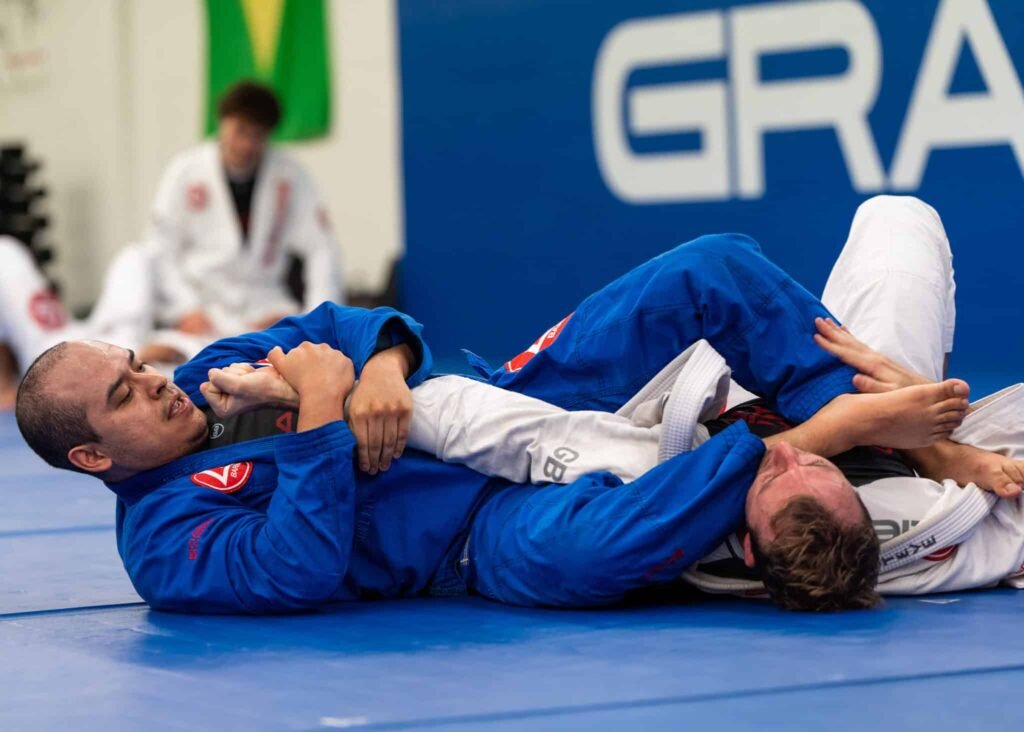
Mixed Martial Arts (MMA) has evolved tremendously over the past two decades. Fighters today are no longer specialists in one area—they must be versatile, strategic, and well-rounded. One discipline that has become increasingly critical in modern MMA is Brazilian Jiu-Jitsu (BJJ). From grappling to ground control, BJJ provides tools that can turn a fight around in seconds.
Top fighters are leaning on BJJ more than ever because it offers practical advantages inside the cage and improves overall fight strategy. Understanding why BJJ has become a core part of MMA can shed light on its importance for both professional fighters and aspiring martial artists.
The Rise of Brazilian Jiu-Jitsu in MMA
Brazilian Jiu-Jitsu first gained widespread attention in MMA during the early Ultimate Fighting Championship (UFC) events, where Royce Gracie dominated opponents much larger than himself using leverage, submissions, and ground control. Since then, MMA has grown more sophisticated, and top fighters have realized that striking alone isn’t enough.
BJJ’s rise in MMA is fueled by several factors:
- Control on the ground: Fighters can neutralize opponents without relying solely on knockout power.
- Submission opportunities: Chokes, armbars, and joint locks provide multiple avenues to win a fight.
- Defensive strategies: BJJ teaches how to survive dangerous positions and escape from dominant opponents.
These advantages make BJJ an essential skill for any fighter looking to succeed at the highest levels of MMA.
Key BJJ Techniques Used in MMA
BJJ tactics are smoothly integrated with punching, wrestling, and clinch practice by contemporary MMA competitors.
- Guard positions: Controlling an opponent from the bottom while staying safe.
- Sweeps and reversals: Turning defensive positions into offensive opportunities.
- Submissions: Applying rear naked chokes, armbars, and triangles to finish fights.
- Takedown defense: Preventing an opponent from bringing the fight to the ground.
These skills allow fighters to maintain control, dictate the pace of the fight, and create openings to end the match decisively.
Why Ground Control Is More Important Than Ever
The modern MMA fighter knows that fights often end up on the ground. Ground control is no longer optional—it’s a strategic necessity. Controlling an opponent on the mat can:
- Limit the opponent’s striking opportunities.
- Open paths for submissions.
- Tire out the opponent, giving the controlling fighter an advantage in later rounds.
Fighters like Demian Maia and Charles Oliveira have built reputations as submission specialists because they can control opponents on the ground with precision, patience, and technique learned from BJJ.
Submission Skills Give Fighters a Competitive Edge
Submissions are a defining feature of MMA. While knockouts often grab headlines, fighters who master BJJ submissions can secure victories even against elite strikers. Popular submission techniques in MMA include:
- Rear naked choke: A fight-ending move that can be applied from back control.
- Armbar: A joint lock targeting the elbow, effective in controlling or finishing opponents.
- Triangle choke: Uses the legs to cut off blood flow and force a tap.
These techniques allow fighters to win with efficiency and minimize damage, highlighting the strategic value of BJJ in modern MMA.
How BJJ Complements Striking and Wrestling
One reason top MMA fighters rely on the best martial arts for self defence like BJJ is that it perfectly complements striking and wrestling. While striking allows for distance management and knockouts, and wrestling provides takedowns and control, BJJ fills gaps in defensive and offensive capabilities.
For example:
- A fighter may defend against a takedown using wrestling skills, then transition into a BJJ guard to control the opponent.
- Strikers can close distance and force a clinch, where BJJ techniques create openings for submissions or positional advantage.
This synergy makes fighters more unpredictable and harder to defeat.
Mental Advantages of Training BJJ for MMA
BJJ isn’t just about physical techniques—it builds mental toughness. MMA fighters gain several advantages from consistent BJJ training:
- Problem-solving under pressure: Finding openings while being attacked builds critical thinking.
- Patience and strategy: Learning when to attack or wait prevents mistakes.
- Confidence: Knowing how to survive on the ground reduces fear during fights.
These mental benefits often translate into better performance in high-stakes matches, making BJJ as important for the mind as for the body.
Preventing Injuries Through BJJ Awareness
Another reason fighters integrate BJJ into MMA training is safety. Proper technique reduces the risk of injury during grappling exchanges. For example:
- Learning how to fall safely prevents concussions and joint injuries.
- Understanding leverage protects joints from accidental damage.
- Practicing submissions under control prevents overextension or strain.
In a sport where injuries can end careers, these protective skills are invaluable.
Training Strategies of Top MMA Fighters
Elite fighters structure their training to incorporate BJJ alongside other disciplines. Common strategies include:
- Positional sparring: Practicing escapes, sweeps, and control in realistic scenarios.
- Integration drills: Combining striking, wrestling, and BJJ seamlessly.
- Scenario training: Simulating fight situations to improve decision-making under pressure.
- Conditioning with technique: Maintaining stamina while practicing grappling movements.
By blending these methods, fighters gain practical experience that carries over directly into fights.
The Role of BJJ in Modern MMA Rankings
Analyzing current UFC champions and top-ranked fighters shows a clear trend: those with strong BJJ skills often maintain long, successful careers. The ability to control opponents, survive tough positions, and secure submissions is a competitive differentiator.
Fighters like Khabib Nurmagomedov and Fabricio Werdum have demonstrated that even against heavy hitters, a foundation in BJJ can dictate the pace and outcome of fights. This has made BJJ a must-learn discipline for anyone serious about MMA success.
The Future of BJJ in MMA
As MMA continues to evolve, Brazilian Jiu-Jitsu will likely become even more integrated into fighter training. The sport is trending toward well-rounded athletes who can:
- Transition seamlessly between striking, wrestling, and ground grappling.
- Control fights strategically instead of relying on luck or brute strength.
- Minimize injuries while maximizing effectiveness.
This evolution ensures that fighters who neglect BJJ may struggle to compete at the highest levels.
Conclusion
Brazilian Jiu-Jitsu has solidified its place as an essential discipline in modern MMA. Top fighters rely on BJJ not just for submissions, but for ground control, defensive strategy, mental toughness, and injury prevention. From controlling opponents in the cage to complementing striking and wrestling, BJJ provides a complete toolkit for success.
Whether you’re an aspiring MMA fighter or simply studying the sport, understanding why BJJ has become so crucial reveals a key truth: technique, strategy, and adaptability are more important than ever. The fighters who master these skills dominate the sport, proving that BJJ is no longer optional—it’s essential.