
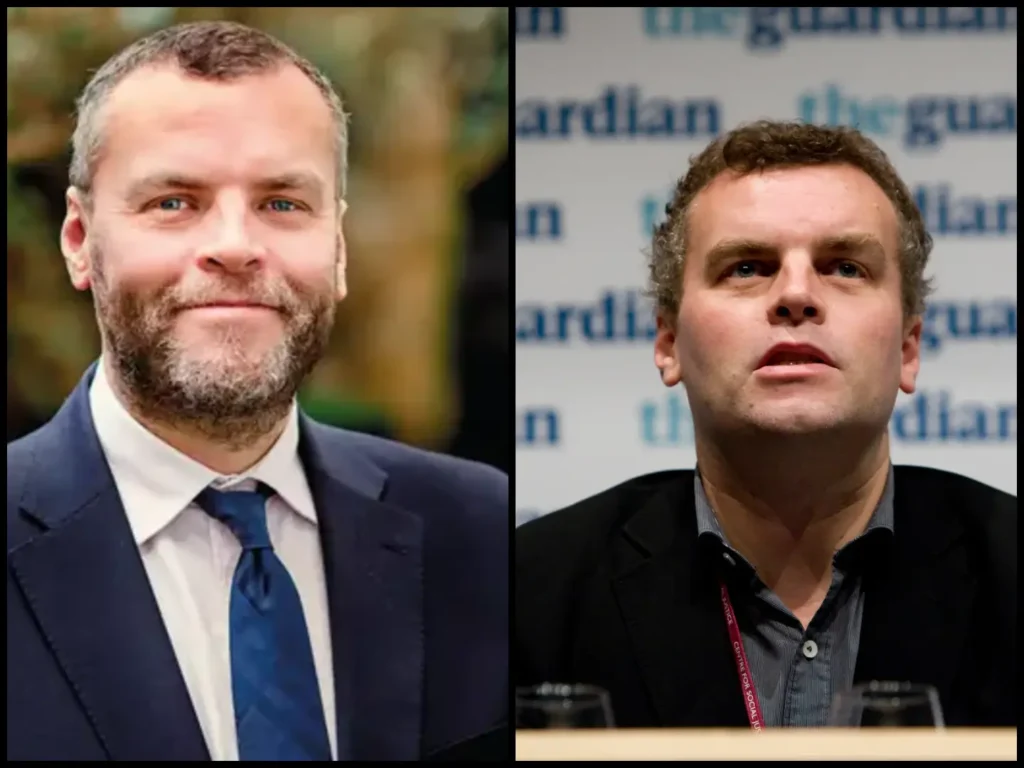
Public figures often face attention that goes far beyond their work. For people involved in politics, commentary, and activism, that attention can quickly turn personal. Tim Montgomerie, a British political activist, blogger, and columnist, is one such figure. Over the years, his career choices, public resignations, and political shifts have sparked curiosity and discussion.
At times, that curiosity has extended to questions about health and well-being. This article explains why Tim Montgomerie’s health became a talking point, not through medical claims, but through the pressures of public life, political influence, and career intensity. It looks at how stress, visibility, and long-term activism can shape public perception.
Who Is Tim Montgomerie?
A Career Rooted in Political Activism
Timothy Montgomerie, born on 24 July 1970, is widely known for his role in British political thought and activism. He became influential through his work as a strategist, writer, and organizer within conservative political circles.
He is best known as a co-founder of the Centre for Social Justice, a group focused on social policy, and as the creator of ConservativeHome, a political website he edited from 2005 to 2013. These roles placed him at the center of political debate and public commentary.
Influence Beyond Elected Office
Unlike elected officials, Tim Montgomerie built influence from outside Parliament. Commentators and activists like him often work long hours behind the scenes while remaining highly visible online and in media discussions. This mix of influence and exposure creates unique pressures.
Why Public Roles Invite Health Speculation
Visibility Without Transparency
One reason people search for information about Tim Montgomerie’s health is visibility without personal disclosure. Public figures are often seen daily through writing, interviews, or social media, yet their private lives remain closed.
When someone steps back, resigns, or changes direction, audiences sometimes look for personal reasons, including health-related ones, even when none are stated.
The Human Need for Explanations
People like clear answers. When a high-profile activist changes roles or leaves a position, readers often ask “why.” In the absence of detailed explanations, speculation fills the gap. This is common across politics and media, not unique to Tim Montgomerie.
High-Pressure Political Commentary and Stress
The Weight of Constant Opinion
Political commentary is demanding. Writing, editing, and responding to public reaction requires focus and emotional energy. As editor of ConservativeHome, Tim Montgomerie worked in a space where ideas were debated daily and often fiercely.
Sustained exposure to criticism, disagreement, and online reaction can add mental strain. Over time, this pressure becomes noticeable to outside observers.
Public Scrutiny and Online Attention
Activists and commentators face constant feedback. Praise and criticism arrive quickly and publicly. This environment can lead people to assume stress or burnout, especially when career paths shift or pauses occur.
Career Changes and Public Interpretation
Leaving Editorial Roles
In 2013, Tim Montgomerie left his role at ConservativeHome to become a comment editor at The Times. He later resigned from that position in March 2014. Such changes often draw attention because they appear sudden to the public.
Career transitions like these are common in media and politics. Still, they often trigger questions about personal reasons, including health, even when the stated reasons are professional.
Political Resignations and Ideological Strain
In February 2016, Tim Montgomerie resigned his membership of the Conservative Party, citing disagreements over Europe. Leaving a long-held political affiliation can be emotionally demanding.
Ideological conflict, especially when deeply held beliefs are involved, can increase stress. Observers sometimes link such moments to personal well-being, even without evidence.
The Mental Load of Long-Term Activism
Being “Always On”
Political activists are rarely off duty. Ideas, debates, and campaigns continue around the clock. Tim Montgomerie spent decades engaged in policy discussion, strategy, and public debate.
This constant engagement can wear people down over time. While this does not mean illness, it helps explain why health becomes part of the conversation around long-serving activists.
Responsibility Without Control
Influential figures often shape debate without controlling outcomes. This lack of control can be frustrating. Watching policies change or ideas rejected can add emotional strain, especially for those deeply invested in social issues.
Media Labels and Public Narratives
Being Called Influential
Tim Montgomerie has been described as “one of the most important Conservative activists of the past 20 years.” Such labels raise expectations. Influence brings responsibility, pressure, and constant attention.
When influential figures step back or shift direction, people look for explanations beyond strategy or belief.
Narratives Built by Others
Public narratives are often shaped by commentators, not the individuals themselves. Once health becomes part of the story, even indirectly, it can stick. This is how health becomes a “talking point” without direct statements.
Later Roles and Continued Engagement
Advisory Work and Policy Focus
In 2019, Tim Montgomerie briefly served as a special adviser to Boris Johnson, focusing on social justice issues. This role showed continued engagement rather than withdrawal from public life.
Short-term advisory roles can still be intense, adding to the perception of a demanding workload rather than reduced activity.
Political Realignment
In December 2024, Tim Montgomerie left the Conservatives and joined Reform UK. This move again placed him in the public eye and reopened discussions about his motivations and personal journey.
Such realignments often revive speculation, even when they are based on ideology rather than personal circumstances.
Why Health Becomes a Symbol, Not a Fact
Health as a Catch-All Explanation
In public discussion, “health” often becomes a general explanation for change. It can stand in for stress, fatigue, or simply the desire for a new direction.
In the case of Tim Montgomerie, there are no public medical claims. Instead, health talk reflects how people interpret pressure, visibility, and long careers.
Respecting Boundaries
Public figures have the right to privacy. Speculating about health crosses a line when it moves from observation to assumption. Understanding the pressures of public roles helps explain curiosity without feeding misinformation.
What This Conversation Really Reflects
Changing Expectations of Public Figures
Modern audiences expect openness, even when it is not offered. When transparency is limited, speculation grows. This trend affects activists, writers, and commentators like Tim Montgomerie.
A Broader Discussion About Well-Being
The focus on health also reflects growing awareness of mental and emotional well-being. People now recognize that high-pressure roles can be draining, and they project that understanding onto public figures.
Conclusion
Tim Montgomerie’s health became a talking point not because of confirmed illness, but because of the intense pressures of public life. Long-term political activism, visible career changes, ideological conflict, and sustained influence naturally invite curiosity.
His story highlights a broader issue: how society interprets career shifts and public decisions through a personal lens. Understanding the demands of activism and commentary helps explain why health enters the conversation, even when facts remain private.
In the end, the discussion says as much about public expectations as it does about Tim Montgomerie himself.
FAQS:
Public curiosity often links career changes and high-pressure roles to well-being. Questions arise because activists and commentators like Tim are under constant scrutiny, not because of confirmed medical issues.
No. Tim Montgomerie has not publicly disclosed any health issues. Speculation arises from career decisions, resignations, and high-profile activity rather than verified information.
As a political activist, writer, and commentator, Tim Montgomerie works in fast-paced, high-pressure environments. Roles like editing, advising politicians, and leading public debates involve intense schedules and constant public feedback.
Not necessarily. Career shifts, such as leaving editorial roles or changing political affiliations, are often strategic or ideological. Public assumption of health problems is a common misinterpretation of career transitions.
Public figures like Tim Montgomerie face constant commentary, criticism, and expectations, which can add mental and emotional strain. Observers sometimes interpret this as health-related, even if it is not.