
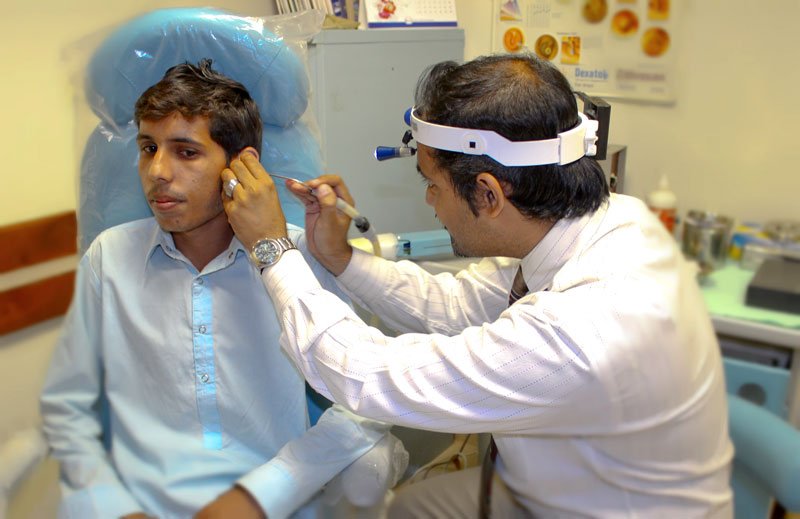
Many conditions affecting the ear, nose, and throat begin with common symptoms like nasal blockage, ear fullness, voice changes, or balance problems. In most cases, patients first receive care from a general ear, nose, and throat (ENT) specialist, also known as a general otolaryngologist. This field manages a broad spectrum of routine and chronic ENT issues across all age groups.
However, not every case stays routine. When symptoms continue despite treatment, become more complex, or involve delicate structures such as the inner ear, vocal cords, or sinus system, a more focused level of expertise may be needed. At that point, care is often directed to subspecialists such as rhinologists (sinus and nasal disorders), laryngologists (voice and throat disorders), or neurotologists (hearing and balance disorders).
Understanding when care moves from general otolaryngology to subspecialty treatment helps patients get faster, more precise diagnoses and more effective long-term results.
Understanding the Role of General Otolaryngology
What General Otolaryngology Covers
General otolaryngology focuses on diagnosing and treating common conditions of the ears, nose, throat, head, and neck. These include infections, allergies, hearing issues, voice changes, and breathing problems.
This specialty acts as the front line of ENT care. Most patients begin here.
Common Conditions Managed in General ENT Care
General otolaryngologists often treat:
- Ear infections and earwax buildup
- Nasal congestion and sinus infections
- Sore throat and tonsil problems
- Mild hearing loss
- Hoarseness and reflux-related throat issues
Many of these problems improve with medicine or simple procedures by the qualified ear, nose and throat doctor.
When General Care Is Enough
For short-term or mild conditions, general care works well. Antibiotics, nasal sprays, or lifestyle changes often solve the issue.
When symptoms resolve, no further care is needed.
Signs That Specialized ENT Care May Be Needed
Symptoms That Do Not Improve Over Time
One key sign is persistence. If symptoms last for weeks or months, further evaluation is needed.
Chronic issues may point to deeper disease that requires subspecialty care.
Recurrent or Severe Symptoms
Repeated infections, ongoing voice loss, or frequent dizziness raise concern.
When problems keep returning, general care may not be enough.
Complex Anatomy or High-Risk Areas
The ears, sinuses, and throat sit near the brain, eyes, and nerves. If disease affects these areas, specialized care improves safety.
When General Otolaryngology Leads to Rhinology
Understanding the Role of Rhinology
Rhinology focuses on the nose and paranasal sinuses. It covers complex sinus disease, nasal obstruction, and skull base conditions.
Rhinologists have advanced training in sinus surgery and endoscopic techniques.
Chronic Sinusitis That Does Not Respond to Treatment
Chronic sinusitis is a common reason for referral. When symptoms last longer than 12 weeks, and medicine fails, rhinology may be needed.
Advanced imaging like a CT Scan helps guide care.
Nasal Polyps and Structural Blockage
Nasal polyps and structural issues can block airflow and drainage. Large polyps may hide deeper disease.
Rhinologists specialize in advanced removal and long-term control.
Sinus Disease Near the Skull Base
Some sinus problems reach the anterior skull base. These cases need careful planning.
Specialists use tools like Image-Guided Surgery for safety.
When General Otolaryngology Leads to Laryngology
What Laryngology Focuses On
Laryngology treats disorders of the voice, throat, and airway. This includes the larynx, vocal cords, and swallowing pathways.
It blends medical and surgical care.
Persistent Hoarseness or Voice Loss
Hoarseness lasting more than three weeks should not be ignored. If general treatment fails, laryngology evaluation is needed.
Voice disorders may involve nodules, paralysis, or inflammation.
Swallowing Problems and Throat Pain
Difficulty swallowing or feeling food stick in the throat can signal serious issues.
Laryngologists use special scopes to study swallowing safely.
Airway and Breathing Disorders
Some patients have breathing problems caused by vocal cord motion issues.
These cases need specialized diagnosis and care.
When General Otolaryngology Leads to Neurotology
Understanding Neurotology
Neurotology focuses on the inner ear, hearing, balance, and related nerves. It bridges ENT care and neurology.
Neurotologists manage complex ear and balance disorders.
Hearing Loss That Is Sudden or Progressive
Sudden hearing loss is a medical emergency. If hearing loss progresses or affects one ear, referral is needed.
Advanced testing helps find the cause.
Chronic Dizziness and Balance Problems
Dizziness that lasts or worsens needs expert evaluation. Inner ear disorders can affect daily life.
Neurotologists use balance testing and imaging to guide treatment.
Tumors and Nerve-Related Ear Conditions
Growths like acoustic neuroma affect hearing and balance nerves. These require specialized care.
Early diagnosis improves outcomes.
Diagnostic Tools That Support Subspecialty Referral
Imaging Studies for Deeper Evaluation
Tests like CT Scan and MRI reveal structures not visible on exam.
They help guide referrals and treatment planning.
Endoscopy for Detailed Examination
Nasal endoscopy and throat scopes provide real-time views of problem areas.
They help confirm when specialized care is needed.
Audiology and Balance Testing
Hearing tests and balance studies support referral to neurotology.
Accurate testing leads to accurate care.
How Subspecialists Improve Patient Outcomes
Targeted Expertise for Complex Disease
Subspecialists focus on specific areas. This allows deeper understanding of complex disease.
Targeted care improves safety and results.
Advanced Surgical Techniques
Specialists use advanced procedures like Endoscopic Sinus Surgery and laser voice treatment.
These tools support better healing.
Long-Term Disease Management
Chronic conditions need long-term plans. Subspecialists guide ongoing care to reduce recurrence.
This improves quality of life.
Collaboration Between General and Specialized ENT Care
Team-Based Treatment Planning
General otolaryngologists and subspecialists often work together.
This team approach ensures seamless care.
Clear Referral Pathways
Patients benefit when referrals are timely and clear.
Early referral prevents complications.
Continuity of Care
Even after specialty treatment, patients may return to general care for follow-up.
This continuity supports long-term health.
What Patients Should Expect During Referral
Clear Explanation and Education
Patients should understand why referral is needed. Clear communication reduces fear.
Knowing what to expect builds trust.
Coordinated Appointments and Testing
Referrals often include shared records and test results.
This avoids delays and repeat testing.
Shared Decision-Making
Patients remain part of the care team. Choices are made together.
This leads to better satisfaction.
Long-Term Benefits of Timely Specialized Care
Reduced Complications and Better Safety
Specialized care lowers risk in complex cases.
Early referral makes treatment safer.
Improved Symptom Control
Patients often feel better faster with targeted treatment.
Symptoms become easier to manage.
Better Quality of Life
Improved breathing, voice, balance, and hearing support daily life.
Specialized care helps patients return to normal activities.
Conclusion: Knowing When to Move From General to Specialized ENT Care
General otolaryngology provides essential care for a wide range of ear, nose, and throat problems. For many patients, this care is enough. But when symptoms persist, worsen, or involve complex structures, specialized care becomes important.
Fields like rhinology, laryngology, and neurotology offer focused expertise for complex sinus disease, voice and airway disorders, and hearing and balance problems. Timely referral leads to safer care, better outcomes, and improved quality of life.
Understanding when general care leads to specialized treatment helps patients get the right care at the right time—and protects long-term health.